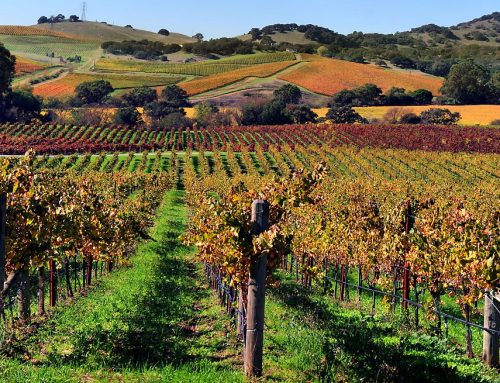
Some of the most admired wines in the world — from Burgundy’s grandest domaines to the Loire — are grown by burying cow horns full of manure and working the vines by a cosmic calendar. This is biodynamics, an approach older than the organic movement, certified by the world’s oldest ecological label. Its ideas are strange, its followers devoted, and its results, many believe, are extraordinary1.
Quick facts
- Biodynamics was founded by Rudolf Steiner in 1924.
- Demeter, founded in 1928, is the oldest ecological certification in the world.
- It uses special preparations and a lunar planting calendar.
- Many top estates — including DRC — farm biodynamically.
Steiner’s course
Biodynamics began with a series of lectures. In June 1924, at Koberwitz in Silesia, the Austrian philosopher Rudolf Steiner — founder of the spiritual movement known as anthroposophy — gave an “Agriculture Course” to about a hundred farmers worried that chemical fertilisers were degrading their soil and seed2. Steiner offered not rules but “hints,” to be tested: treat the farm as a single living organism, nourish the soil, and work in rhythm with the cosmos6.

Treat the whole farm as a single living organism.— the core idea of biodynamics2
Horns, herbs and the calendar
From those lectures came biodynamics’ famous practices. The best known is “Preparation 500”: cow manure packed into a cow horn and buried through the winter, then dug up and stirred into water to spray on the soil3. Others use ground quartz or medicinal herbs, and planting and harvest are timed to a lunar and astronomical calendar. To critics these rituals look like superstition; to practitioners they are a discipline that produces visibly healthier vineyards.
The Demeter label
To protect the name, growers created a certification. Demeter — named for the Greek goddess of the harvest — was established in 1928 and registered its trademark that year, becoming the first ecological label for organically grown food and the oldest such certification in the world1. Its standards are strict, going well beyond organic rules, and it now operates in around fifty countries.
Biodynamics and fine wine
Wine embraced biodynamics with special fervour. In the Loire, Nicolas Joly of Coulée de Serrant became its tireless evangelist from the 1980s, writing books and converting sceptics around the world4. Today an astonishing roll-call of great estates — among them the Domaine de la Romanée-Conti, Domaine Leflaive and Zind-Humbrecht — farm biodynamically, convinced it deepens the character of their wines5. Whether the magic lies in the cow horns or simply in the fanatical attention biodynamics demands remains one of wine’s great and enjoyable arguments.
Frequently asked questions
More from this day in wine history
See everything else that happened on June 7 — who was born, what was bottled, and which laws were signed.
Read more
- The biodynamic Domaine de la Romanée-Conti
- The myths and science of biodynamics
- Another way winemaking changed
References
- Demeter USA — Demeter History. ↑
- Biodynamic Association — The Agriculture Course, Koberwitz, Whitsun 1924. ↑
- Biodynamie Services — Horn Manure (Preparation 500). ↑
- Wine Enthusiast — Get to Know Nicolas Joly, Biodynamic Trailblazer. ↑
- Wine Spectator — Nicolas Joly on Biodynamic Winemaking in the Loire. ↑
- Encyclopaedia Britannica — Rudolf Steiner. ↑
Recommended reading


As an Amazon Associate, This Day in Wine History earns from qualifying purchases. Book recommendations are chosen independently.
Share This Story, Choose Your Platform!
Related Posts