Napoleon Bonaparte reshaped Europe — and, almost as an afterthought, he reshaped its wine. A devoted lover of Burgundy who carried his favourite Chambertin into battle, he also signed a single law that shattered the great vineyards of Burgundy into the mosaic of tiny holdings we still puzzle over today. Few people have left a deeper, stranger mark on wine1. (See also: wine and taxation under the Ancien Régime.) For more, see wine and conflict through the ages.
Quick facts
- Napoleon’s favourite wine was Chambertin, a grand cru red Burgundy.
- He was a friend of Jean-Rémy Moët and a great lover of Champagne.
- His 1804 Code split Burgundy’s vineyards among all heirs, fragmenting them forever.
The emperor’s palate
Napoleon was a genuine wine enthusiast in an age that took wine seriously. Amid the endless documentation of his public life, his biographers noted his private tastes — and wine featured large among them. Famously abstemious in most things, he nonetheless kept fine wine close throughout his campaigns, though he usually drank it cut with water, gulped quickly between the demands of command1.
Chambertin, even in battle
His clear favourite was Chambertin, the powerful grand cru red of Gevrey-Chambertin in Burgundy. Napoleon loved it so much that his wine merchants, Soupé et Pierrugues, are said to have kept him supplied with it wherever he went — a bottle of Chambertin always to hand, even in the field on the eve of battle. It is one of the most famous royal-and-wine attachments in history2. For more, see the Fagan Buckingham Palace break-in.
Napoleon and Champagne
He was equally devoted to Champagne, and a close friend of Jean-Rémy Moët, whose great house he visited at Épernay and whom he decorated with the Legion of Honour. Champagne’s rise as the wine of glory and celebration owed much to its association with his court, and by tradition it was Napoleon’s dashing cavalry officers who spread the flamboyant art of sabrage — opening a bottle with a sweep of the sabre3.
In victory you deserve Champagne; in defeat you need it.— a toast long attributed to Napoleon3
The Code that broke Burgundy

Napoleon’s deepest mark on wine, though, was legal, not personal. His Civil Code of 1804 abolished the old right of the eldest son to inherit everything, ruling instead that an estate must be divided more or less equally among all the children. For Burgundy, a land of small, precious vineyards, the consequences were profound and permanent4.
A patchwork of owners
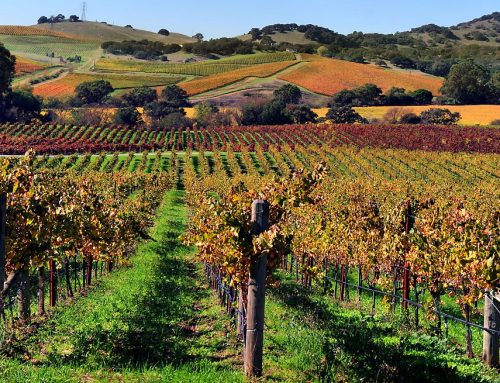
With every generation, holdings were split, and split again. A single famous vineyard could end up divided among dozens of owners — the grand cru Clos de Vougeot alone is shared by around eighty — each farming a few rows. This relentless fragmentation is why Burgundy is a bewildering mosaic of tiny parcels, and why the “négociants” who buy and blend from many growers became so central to the region5.
Napoleon’s lasting mark on wine
Two centuries on, the emperor’s legacy is poured every day. His Code still governs how Burgundy’s vineyards pass down the generations, keeping estates small and family-run; his beloved Chambertin is still one of the world’s most coveted reds; and Champagne still carries the aura of imperial glory he helped give it. Napoleon lost his empire — but his fingerprints remain all over the wine list6.
Frequently asked questions
More from this day in wine history
See everything else that happened on March 21 — who was born, what was bottled, and which laws were signed.
Read more
- Wine and the French Revolution
- Burgundy and the story of French wine
- How Champagne became the wine of glory
References
- Encyclopaedia Britannica — Napoleon I. www.britannica.com ↩
- Wine-Searcher — Chambertin. www.wine-searcher.com ↩
- BERBA — Napoleon’s Unexpected Legacy in the World of Wine. www.berba.rs ↩
- Wine Spectator — Was Burgundy the Only Wine Region Impacted by the Napoleonic Code? www.winespectator.com ↩
- Decanter — Burgundy: How Domaines Are Transferred to the Next Generation. www.decanter.com ↩
- Caryn Schulberg — Blame It on Napoleon: Burgundy’s Grand Crus Explained. carynschulberg.com ↩
Recommended reading

Hugh Johnson
Sets Napoleon’s wine tastes and his Code within the wider story of wine.

As an Amazon Associate, This Day in Wine History earns from qualifying purchases. Book recommendations are chosen independently.
Share This Story, Choose Your Platform!
Related Posts