

Wine’s story isn’t a smooth climb — it’s a series of turning points, moments when disease, war, religion, empire, or a single influential voice changed the course of what we drink and how we drink it.
This is the hub for those pivotal moments: six forces that reshaped wine, each explored in depth. Start here, then follow any thread as deep as you like.
The phylloxera catastrophe
In the 19th century a tiny aphid nearly ended European wine altogether, forcing a global replanting that still defines viticulture today. It’s the single most important disruption in wine’s history. → Explore Phylloxera, starting with Legacy of Phylloxera.
Wine and war
From supplying Roman legions to the looting of cellars in two world wars, conflict has repeatedly redrawn the wine map. → Explore Wine and War, including War and Wine in American History.
Colonialism and the spread of the vine
Empire carried the grapevine to the Americas, Africa, and Australia — and bound wine to exploitation and inequality whose legacies persist. → Explore Colonialism, including Wine and Injustice and African Wines Under Colonialism.
The monasteries and medieval wine
Through the so-called Dark Ages, monks preserved and advanced viticulture — the Cistercians and Benedictines effectively mapped Burgundy. → Explore Medieval Period & Monasticism, including Wine in Medieval Christianity, Islam & Judaism and Wine and Religion.
Women and wine
From ancient priestesses to the widows of Champagne to today’s winemakers, women have shaped wine at every turn — often written out of the record. → Explore Women and Wine, including Ancient Women and Wine.
Critics and the power of opinion
The 1855 Classification, the 100-point score, the Judgment of Paris — moments when critics and rankings reshaped value and reputation. → Explore Wine Critics in History, including The Wine Ranking System of Bordeaux & Burgundy.
How the turning points connect
These forces never acted alone — phylloxera reshaped colonial trade; war accelerated critics’ influence; the monasteries set the regional hierarchies critics later codified. For the full chronological sweep, see our History of Wine: A Complete Timeline. To see what happened on any given day, browse This Day in Wine History.
Pick a turning point above, or start at the beginning with the complete wine history timeline.
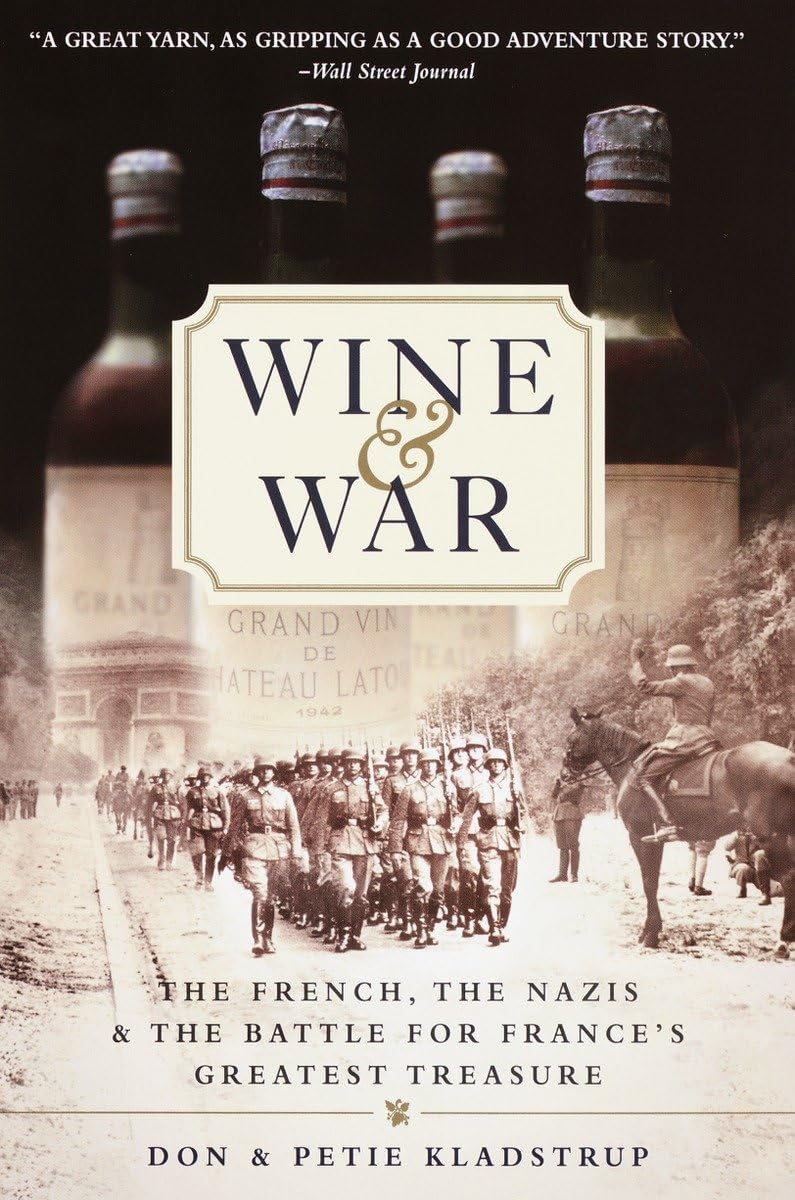 Wine and War Wine and WarDon & Petie Kladstrup | 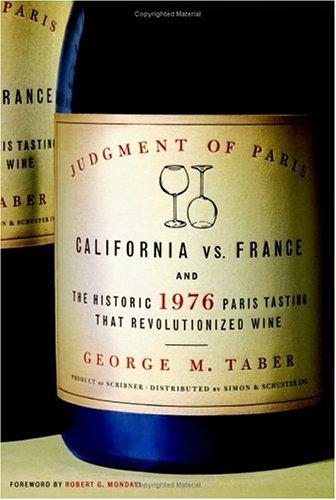 Judgment of Paris Judgment of ParisGeorge M. Taber | 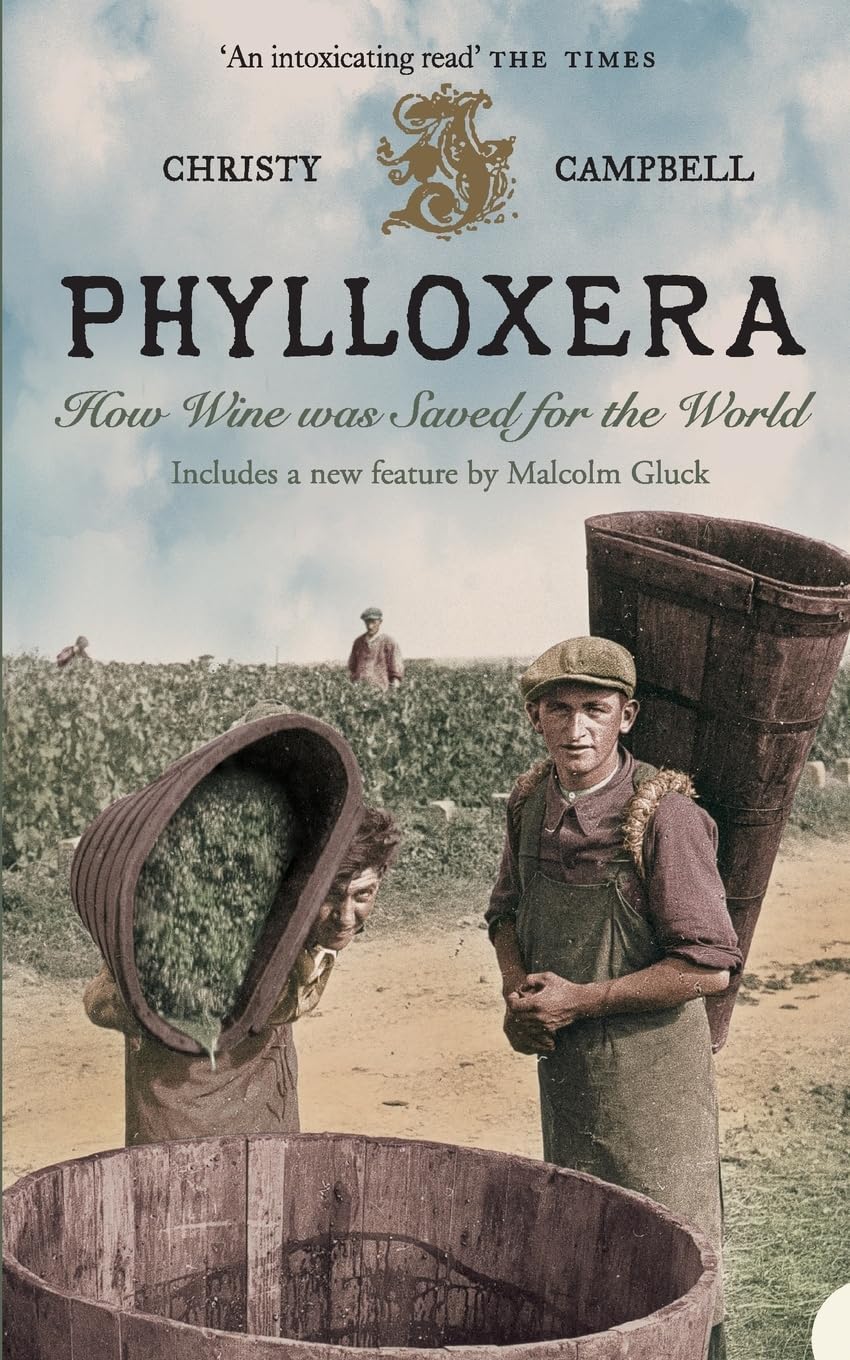 Phylloxera PhylloxeraChristy Campbell |
As an Amazon Associate, This Day in Wine History earns from qualifying purchases. Some links on this page are affiliate links.
Turning points, explored in depth
- The impact of conflict on wine through the ages
- Slavery and the history of wine
- Mission wine and the coerced labor of Native Americans
- Wine and the Nazi occupation of France
- Wine and taxation under the Ancien Régime
- Charlemagne and the Carolingian renaissance in wine
- Wine and the emergence of Christianity
